
📋 Table of Contents
संक्षिप्त उत्तर
n n
Python project को structure करने का सबसे अच्छा तरीका एक flat, package-based layout का उपयोग करना है जिसमें source code (src/), tests (tests/), documentation (docs/) के लिए अलग directories हों, और configuration files root level पर हों। यह approach, जिसे अक्सर “src layout” कहा जाता है, concerns का स्पष्ट separation प्रदान करता है, आपकी project को pip-installable बनाता है, accidental imports को रोकता है, और छोटे scripts से लेकर enterprise applications तक अच्छी तरह scale करता है।
The best way to structure a Python project is to use a flat, packagebased layout with separate directories for source code (src/), tests (tests/), documentation (docs/), and configuration files at the…
n n
विस्तृत व्याख्या
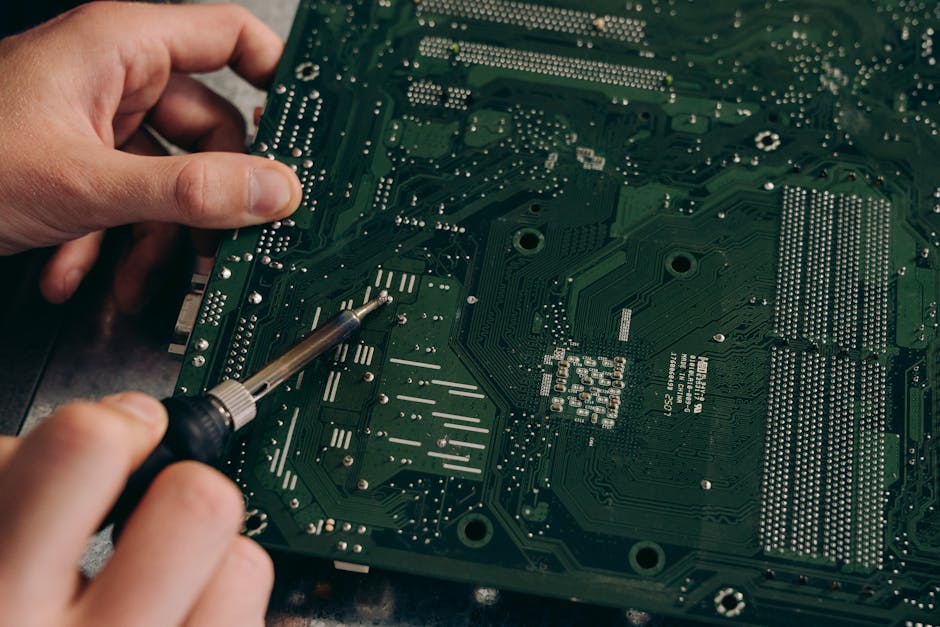
🎨 AI Generated: The Detailed Explanation
n n
Python project structure has evolved significantly over the years, and while there’s no single \\”correct\\” way, certain patterns have emerged as industry standards. The structure you choose impacts everything from testing and deployment to collaboration and maintainability.
n n
A wellstructured Python project should accomplish several key goals:
n n
- \n
- Clear organization:Developers should immediately understand where to find specific components
- Testability:Tests should be easy to write, discover, and run
- Installability:The project should be installable via pip for development and production
- Scalability:The structure should accommodate growth from a simple script to a complex application
- Standard compliance:Following Python community conventions makes onboarding easier
\n
n n
The modern approach favors the \\”src layout\\” over the older \\”flat layout\\” for several technical reasons. When you place your package directly in the project root, Python can import it even without installation, which seems convenient but creates problems. Tests might pass locally but fail in production because they’re testing uninstalled code. The src layout forces proper installation and catches these issues early.
n n
Project Structure तुलना: तीन सामान्य दृष्टिकोण
n n
| पहलू | Src Layout (अनुशंसित) | Flat Layout | एकल Module |
|---|---|---|---|
| संरचना | src/package_name/ | root पर package_name/ | एकल .py फ़ाइल |
| इसके लिए सर्वश्रेष्ठ | Libraries, एप्लिकेशन, अधिकांश प्रोजेक्ट्स | सरल packages, legacy प्रोजेक्ट्स | 500 लाइनों से कम Scripts |
| Testing सुरक्षा | उत्कृष्ट editable install को बाध्य करता है | जोखिम भरा uninstalled कोड को test कर सकता है | लागू नहीं |
| Import स्पष्टता | स्पष्ट पृथक्करण | संभावित विरोध | सरल Imports |
| स्केलेबिलिटी | उत्कृष्ट | अच्छा | खराब |
| उद्योग में अपनाना | तेजी से बढ़ रहा है | अभी भी सामान्य | केवल व्यक्तिगत scripts |
n n
चरण-दर-चरण गाइड: एक Professional Python Project बनाना

🎨 AI द्वारा जेनरेट किया गया: चरण-दर-चरण गाइड: एक Professional Python Project बनाना
n n
चरण 1: मूल Directory संरचना बनाएं
n n
अपने project की root directory और आवश्यक subdirectories बनाकर शुरू करें:
n n
code
nmyproject/ n├── src/ n│ └── myproject/ n│ ├── __init__.py n│ ├── core/ n│ │ ├── __init__.py n│ │ └── engine.py n│ ├── utils/ n│ │ ├── __init__.py n│ │ └── helpers.py n│ └── cli.py n├── tests/ n│ ├── __init__.py n│ ├── conftest.py n│ ├── test_core/ n│ │ └── test_engine.py n│ └── test_utils/ n│ └── test_helpers.py n├── docs/ n│ ├── conf.py n│ └── index.rst n├── .gitignore n├── README.md n├── LICENSE n├── pyproject.toml n├── requirements.txt n└── setup.py (वैकल्पिक, संगतता के लिए) n
n n
चरण 2: अपने Package कॉन्फ़िगरेशन को सेट अप करें (pyproject.toml)
n n
pyproject.toml फ़ाइल Python प्रोजेक्ट कॉन्फ़िगरेशन के लिए आधुनिक मानक है। यहाँ एक व्यापक उदाहरण है:
n n
n[buildsystem] nrequires = [ "setuptools>=61.0 ", "wheel "] nbuildbackend = "setuptools.build_meta " n n[project] nname = "myproject " nversion = "0.1.0 " ndescription = "एक अच्छी तरह से संरचित Python प्रोजेक्ट " nreadme = "README.md " nrequirespython = ">=3.8 " nauthors = [ n {name = "आपका नाम ", email = "आपका.ईमेल@उदाहरण.com "} n] nlicense = {text = "MIT
🚀 Tech की दुनिया में आगे रहें
रोज़ाना tech जानकारियाँ, ईमानदार समीक्षाएँ और व्यावहारिक गाइड प्राप्त करें।
🔗 Share this article
✍️ Leave a Comment