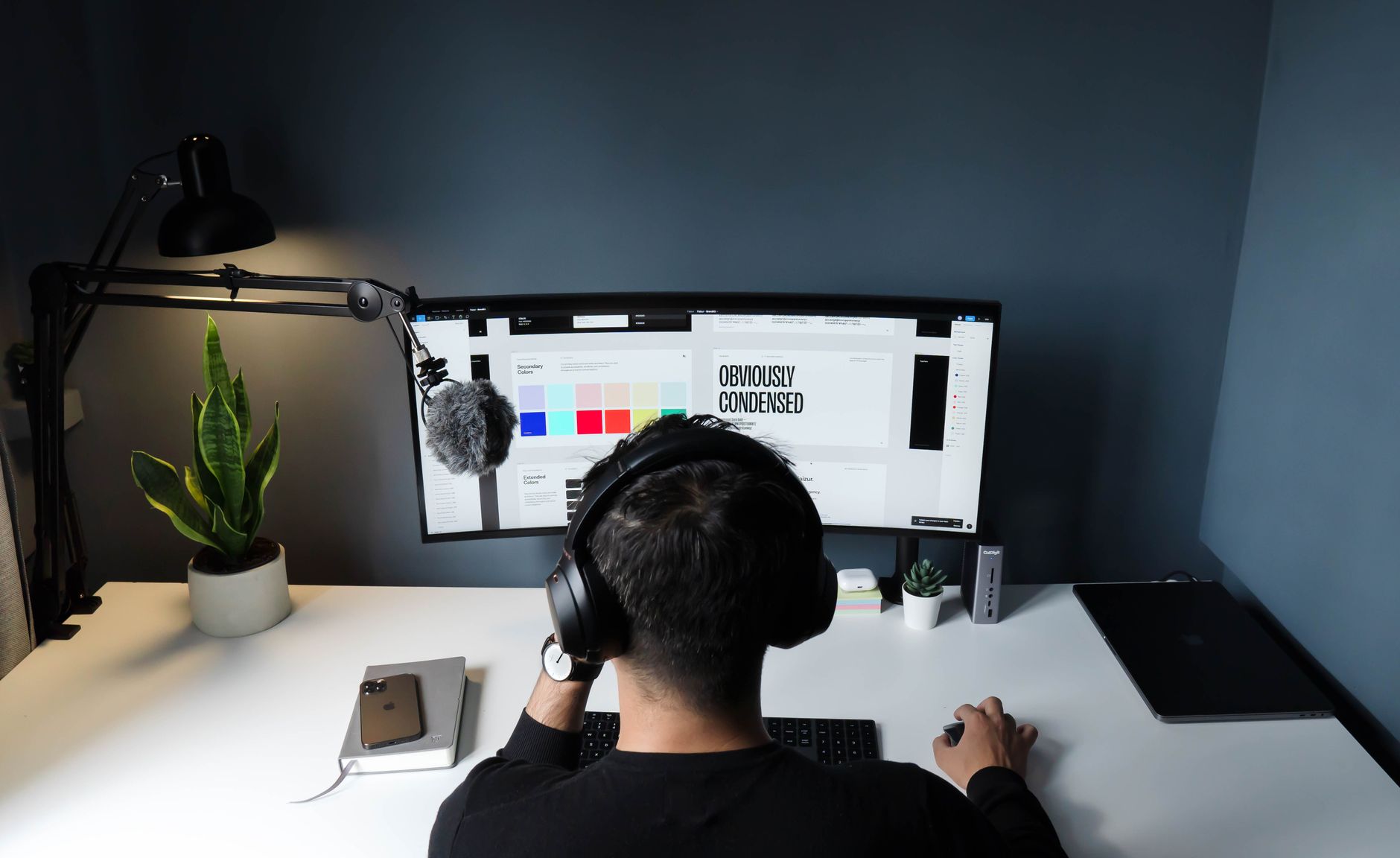
If you spend six or eight hours a day with headphones clamped to your head, the calculus is different from someone who wants silence on a commute. Open-back headphones trade noise isolation for a wider, more natural soundstage and noticeably less ear fatigue over long sessions — which is exactly what a desk-bound programmer or audio engineer needs. Here’s how to pick the right pair in 2026.
📋 Table of Contents
Open-Back vs Closed-Back: The Real Tradeoff
Closed-back headphones seal the ear cup, trapping sound in and blocking outside noise out — great for commutes, open offices, and noise-cancelling use cases. Open-back headphones use a perforated or mesh-backed cup that lets air pressure equalize naturally. The result is a soundstage that feels like it extends beyond your head rather than sitting inside it, less in-ear pressure buildup, and a more relaxed, natural tonal balance.
The cost is leakage in both directions: people near you can hear your audio, and you’ll hear them too. Open-back is a desk-and-quiet-room format, not a public-transit format.
Who Open-Back Is Actually For
- Programmers doing deep-focus work at a home desk who want comfort over 6+ hour stretches without the pressurized feeling of ANC cups.
- Audio engineers and musicians who need accurate, uncolored frequency response for mixing and mastering — closed-back cups can artificially boost perceived bass.
- Remote workers with a private office or quiet home environment where leakage isn’t a problem.
- Anyone who finds ANC headphones fatiguing after long wear, since open designs have lower clamping pressure on average.
If you work from a shared office, co-working space, or noisy household, stick with closed-back or ANC — open-back will leak sound to everyone nearby and let their noise leak back in.
What to Look For
- Driver type: planar magnetic drivers generally offer flatter, more detailed response than dynamic drivers, at a higher price and weight.
- Impedance: higher-impedance models (150Ω+) need more power to drive properly and benefit from a dedicated amp; lower-impedance models (32-80Ω) work fine from a laptop headphone jack.
- Clamping force and weight: the whole point of open-back for long sessions is comfort — try to check reviews specifically mentioning multi-hour wear, not just first impressions.
- Cable type: detachable cables let you replace a damaged cable instead of replacing the whole headphone, and let you switch between a short desk cable and a longer one.
- Microphone leakage in calls: if you’re on video calls often, check whether reviewers note mic bleed at higher listening volumes.
Top Picks by Use Case
Best All-Around for Coding Sessions
Look for a mid-range planar or well-tuned dynamic open-back model in the $200-350 range with a velour earpad — velour breathes better than pleather over long sessions and reduces heat buildup, which matters more than people expect after hour four of a debugging session.
Best Budget Entry Point
Entry-level open-back models in the $90-150 range won’t have premium build materials, but they deliver the core open-back experience — wide soundstage, natural tonal balance, light clamp — well enough to know if the format suits you before spending more.
Best for Mixing and Mastering
If frequency accuracy matters more than soundstage drama, prioritize models explicitly marketed as reference or studio monitor headphones, which are tuned for a flat response rather than an exciting consumer-friendly V-shaped curve.
Best Premium / Flagship
Flagship planar magnetic open-back headphones in the $500+ range deliver the most resolving, detailed sound available in headphones, but they need a proper amp/DAC stack to actually perform at their best — factor that into the real total cost.
Do You Need an Amp?
If your headphones are 32-80 ohms, your laptop or a basic USB-C dongle DAC will drive them adequately. Above 150 ohms, or with planar magnetic drivers that need more current, a dedicated headphone amp meaningfully improves dynamics, bass control, and maximum volume headroom. A budget USB DAC/amp combo in the $50-100 range is enough to unlock most mid-range open-back headphones — you don’t need an audiophile stack to hear the difference.
Care and Longevity
Earpads are the first thing to wear out on daily-use headphones, typically within 1-2 years of regular use. Buying a pair with widely available replacement pads (check third-party compatibility, not just OEM) extends the usable life of an otherwise good headphone significantly. Store them on a stand rather than flat on a desk to avoid warping the headband over time.
Frequently Asked Questions
What’s the actual difference between open-back and closed-back headphones?
Open-back headphones use a perforated or mesh ear cup that lets air and sound pass through, which reduces pressure buildup, widens the perceived soundstage, and keeps the sound more natural over long sessions. The tradeoff is that sound leaks both in and out, so other people can hear what you’re playing and you’ll hear ambient room noise.
Are open-back headphones bad for the office?
Generally yes, unless you have a private office or work from home. The sound leakage is noticeable to people nearby, especially at higher volumes, so open-back is best suited for a home desk setup, a quiet private room, or late-night coding sessions where isolation doesn’t matter.
Why would a programmer want open-back headphones over noise-cancelling ones?
Long coding sessions reward comfort and reduced ear fatigue over isolation. Open-back designs typically have lighter clamping force, better ventilation, and a more natural, less fatiguing sound over 6-8 hour days, whereas ANC headphones can feel pressurized and fatiguing during marathon sessions even though they block more outside noise.
Do I need a dedicated amp for open-back headphones?
It depends on impedance. Higher-impedance planar and dynamic open-back headphones (150 ohms and up) genuinely benefit from a dedicated headphone amp or DAC to reach proper volume and dynamics cleanly. Lower-impedance models (32-80 ohms) will run fine straight out of a laptop or audio interface.
Can I use open-back headphones for video calls?
Yes, but be aware that your microphone may pick up some sound leakage if your mic is sensitive and you’re listening loudly, since the open design lets audio escape. A boom or directional mic minimizes this in practice.
What’s the best budget open-back option?
Entry-level open-back models in the $90-150 range deliver a surprisingly open, natural sound for desk use, though they trade off build materials and bass extension compared to premium models. They’re a solid way to try the open-back format before committing to a higher-end pair.
Final Take
Open-back headphones aren’t a strict upgrade over closed-back or ANC — they’re a different tool for a different job. If your day is mostly heads-down work at a quiet desk, the comfort and soundstage gains are worth the leakage tradeoff. If you’re in a shared space, save open-back for evenings and weekends and keep a closed-back pair for the office.

Published July 01, 2026 · Headphones & Audio
📚 You might also like



🔗 Share this article
✍️ Leave a Comment